
Real estate investors and developers need to understand market demands for offices, retail, and industrial properties, each with distinct needs driving demand and pricing. Design strategies focus on open plans for offices, strategic merchandising for retail, and efficient layouts for industrial spaces. Efficient portfolio management uses smart building systems, property management software, and data analytics to optimize operations, reduce costs, and maximize returns.
In today’s dynamic market, understanding the unique demands of office, retail, or industrial spaces is crucial for real estate success. This article delves into the intricate aspects of commercial real estate, offering insights on meeting evolving market needs. From design and layout considerations tailored to each building type, to efficient management strategies for large portfolios, these factors drive optimal performance. Discover how leveraging expertise and staying attuned to trends can revolutionize your approach to investing in and managing valuable real estate assets.
Understanding Market Demands for Commercial Spaces
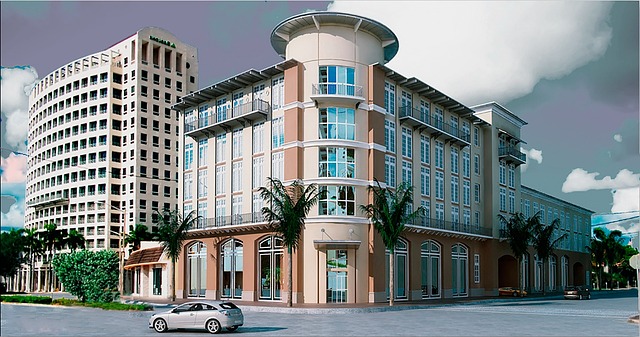
Understanding market demands is crucial in navigating the real estate landscape, especially when it comes to commercial spaces like offices, retail units, and industrial buildings. Each type of property caters to distinct needs, influencing their demand and pricing dynamics. For instance, the office sector has seen a surge in demand for modern, tech-savvy amenities, while retail spaces benefit from high foot traffic areas, offering retailers prime opportunities for brand exposure.
Industrial real estate, on the other hand, is often sought after by logistics companies and manufacturers due to its ability to accommodate large-scale operations and storage. Market trends indicate that businesses are increasingly prioritizing locations with efficient transportation links and modern infrastructure, driving demand in specific regions. Staying abreast of these demands is essential for investors and developers alike to make informed decisions in the competitive commercial real estate market.
Design and Layout Considerations for Different Building Types

When considering design and layout for office, retail, or industrial buildings, it’s crucial to understand that each type presents unique challenges and opportunities in real estate. Office spaces, for instance, often prioritize open floor plans to accommodate collaboration and flexibility, while retail units require strategic merchandising and customer flow arrangements.
Industrial buildings, on the other hand, demand thoughtful consideration of loading docks, storage areas, and clear height for efficient operations. Lighting, ventilation, and accessibility also significantly vary across these building types. Effective design in each case aims to optimize space for intended use, enhance functionality, and create a visually appealing environment that supports productivity, sales, or manufacturing processes.
Efficient Management Strategies for Large Real Estate Portfolios
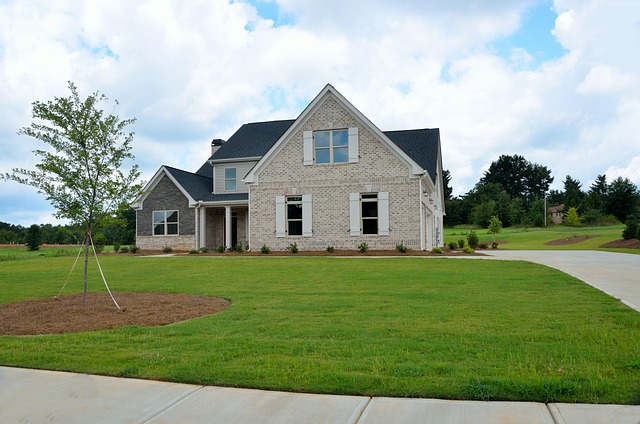
Efficient management of large real estate portfolios is paramount for maximizing returns and minimizing costs in office, retail, or industrial buildings. Professional property managers leverage advanced technologies to streamline operations. Digital solutions like smart building systems enable automated control of lighting, temperature, and security, enhancing energy efficiency and tenant comfort. Property management software optimizes lease agreements, rent collection, and maintenance requests, ensuring smooth operations.
Additionally, data analytics plays a crucial role in making informed decisions. By tracking occupancy rates, rental income, and maintenance costs, managers can identify areas for improvement. This insights-driven approach allows for strategic planning, such as renegotiating leases, implementing cost-saving measures, or even selling underperforming properties to realign capital with more profitable opportunities within the diverse portfolio.