Real Estate investments demand substantial capital ($500K–millions), with strategic approaches to mitigate risk and maximize returns crucial. Key strategies include:
– Strategic Acquisitions: Targeting high-growth areas for significant ROI.
– Portfolio Diversification: Spreading investments across asset classes and regions to reduce market volatility.
– Adaptive Re-use: Converting historic sites into eco-friendly properties for premium pricing.
Effective risk mitigation involves diversification and thorough due diligence, protecting capital and enhancing long-term sustainability in a dynamic market.
The real estate sector has long been recognized as a cornerstone of global economies, shaping urban landscapes and driving wealth creation. However, the path to success is often fraught with challenges, particularly when it comes to financing. Substantial capital investment is typically required to navigate this dynamic landscape, be it for new developments or significant renovations. This article delves into the intricate relationship between real estate and capital, offering insights into the strategies that can help mitigate risks and optimize returns. By exploring innovative funding mechanisms and intelligent investment decisions, we aim to equip readers with the knowledge to thrive in this crucial sector.
Assessing Initial Investment Requirements in Real Estate
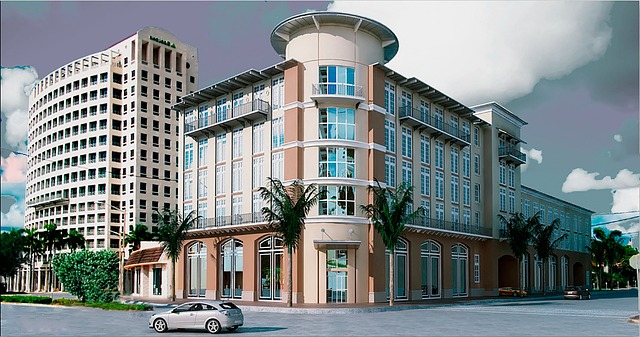
Enterprising into real estate often requires a substantial capital investment—a significant hurdle for many potential investors. Assessing initial investment requirements is, therefore, a critical step in any real estate venture. This involves meticulously scrutinizing various factors to determine the exact amount needed to acquire, develop, or rehabilitate a property effectively. According to recent market data, the average investment for commercial real estate projects ranges from $500,000 to several million dollars, depending on the project scale and location.
A thorough assessment should begin by identifying the specific type of real estate venture. Residential properties, for instance, may require substantial capital for land acquisition, construction, and finishing, with additional costs for permits, inspections, and legal fees. Commercial spaces, on the other hand, often involve higher per-square-foot costs but may benefit from economies of scale and longer lease terms to amortize expenses. For example, a high-rise apartment complex in a major metropolitan area could require billions of dollars in investment, while a smaller office building in a suburban area might cost several hundred million.
Next, potential investors must consider non-financial aspects like market demand, property location, and competition. High-demand areas typically command premium prices and may offer better return on investment, but they also come with increased capital outlay. Conversely, underdeveloped or remote locations could be cheaper but might face challenges in attracting tenants or buyers. Expert advice is invaluable here; real estate specialists can provide insights into market trends, potential risks, and opportunities specific to a given location. By factoring in these elements, investors can make more informed decisions about allocating capital resources effectively.
Leveraging Capital for Sustainable Property Growth

Real Estate, a sector that has historically relied on substantial capital investment, presents a unique opportunity for sustainable growth when navigated strategically. Leveraging capital effectively involves a nuanced understanding of market dynamics and a long-term vision. This is particularly true in an era where rapid urbanization and evolving consumer preferences are reshaping urban landscapes. Investors and developers who recognize these trends can position themselves to capitalize on emerging opportunities.
One practical approach is to focus on strategic acquisitions, allowing for significant cost savings in the short term while securing prime locations with high growth potential. For instance, investing in underdeveloped areas that are poised for urban renewal can yield substantial returns as these regions experience increased demand from both residents and businesses. Moreover, diversifying investment portfolios across various asset classes within real estate can mitigate risks associated with market fluctuations. Mixed-use developments, combining residential, commercial, and retail spaces, have proven successful in attracting a diverse range of tenants and occupants, ensuring steady income streams.
Experts emphasize the importance of adaptive re-use of existing properties as a sustainable capital strategy. Converting historic buildings or former industrial sites into modern, eco-friendly residences not only preserves architectural heritage but also caters to environmentally conscious buyers and renters. Data suggests that such projects can command premium prices and rents due to their unique character and location advantages. For developers, this approach offers both financial returns and a positive societal impact. By carefully assessing market trends, property values, and demographic shifts, real estate professionals can make informed decisions regarding capital allocation, ensuring long-term sustainability in an ever-evolving industry.
Mitigating Risks: A Strategic Approach to Real Estate Investments

Real Estate investments often require substantial capital investment, making risk mitigation a crucial strategic consideration for investors. The real estate market is inherently volatile, with potential upsides coexisting alongside significant downsides. A strategic approach to risk management involves a holistic understanding of market dynamics, thorough due diligence, and the implementation of diverse strategies to protect capital. Expert investors recognize that mitigating risks isn’t about avoiding failure but rather ensuring resilience in the face of uncertainty.
One effective method is to diversify investments across various asset classes within real estate, such as residential, commercial, and industrial properties. For instance, a balanced portfolio might include apartments, retail spaces, and warehouses, spread over different geographic regions. This diversification reduces the impact of any single market’s downturn on the entire investment portfolio. Data from industry reports indicates that geographically diversified real estate portfolios have historically shown stronger performance during economic downturns.
Additionally, investors should employ comprehensive due diligence processes to identify potential risks early on. This includes analyzing market trends, property condition assessments, and thorough background checks on tenants or buyers. For example, understanding local zoning laws and development plans can help anticipate future market shifts. By integrating these risk-mitigation strategies, real estate investors can navigate the market with greater confidence, ensuring their capital is shielded from substantial losses while maximizing return potential.