
Real Estate vacancy trends are driven by market dynamics, particularly supply and demand fluctuations caused by economic cycles and demographic shifts. Booming economies increase demand, while downturns elevate vacancies. Demographic changes, such as urban migration and aging populations, significantly impact property type demand. Understanding these factors is crucial for investors, developers, and agents to anticipate vacancy fluctuations, ensure market sustainability, and make informed decisions, like developing targeted housing or transforming spaces for diverse age demographics. Staying ahead of trends through market research enables professionals to adapt strategies, maintain competitiveness, and attract tenants with dynamic pricing and flexible amenities.
In the dynamic landscape of real estate, understanding market forces is paramount to navigating the intricate web of vacancies. This article delves into the profound impact of market factors on vacancy rates, a critical metric for investors, developers, and urban planners alike. The current challenge lies in reconciling supply and demand fluctuations, influenced by economic booms or recessions, demographic shifts, and policy changes. By examining these drivers, we aim to provide actionable insights that can mitigate risks and optimize opportunities within the real estate sector, ensuring a more responsive and resilient market.
Market Dynamics: Understanding Vacancy Trends in Real Estate
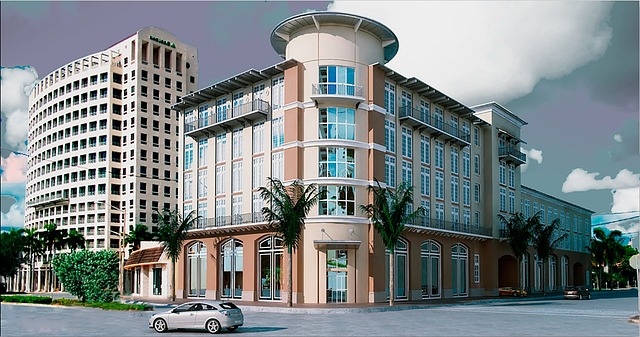
Market dynamics play a pivotal role in shaping vacancy trends within the real estate sector, with fluctuations in supply and demand driving significant changes across different regions and property types. Understanding these patterns is crucial for investors, developers, and agents to make informed decisions. For instance, booming economies often fuel high demand for residential and commercial spaces, leading to tighter markets and lower vacancy rates. Conversely, economic downturns can result in increased vacancies as businesses downsize and individuals face financial constraints, causing excess supply in certain areas.
Real estate naturally exhibits cyclical behavior, with periods of growth and contraction. During expansions, new developments outpace demand, resulting in higher initial vacancy rates. However, as the market matures, these spaces often get absorbed into a stabilized market. A case in point is the post-recession period where many cities witnessed a surge in office space availability, but over time, careful reconfiguration and adaptive reuse strategies helped reduce vacancies. Effective market analysis involves tracking these cycles and identifying regions or asset classes that align with current trends, enabling stakeholders to anticipate and capitalize on changing vacancy dynamics.
Moreover, demographic shifts significantly influence real estate vacancy. Changing population densities can dramatically affect demand for specific property types. For example, urban areas experiencing inward migration may see increased demand for apartments, while suburban communities might face higher vacancies in single-family homes as families relocate for work or lifestyle changes. Demographic insights are essential for real estate professionals to tailor marketing strategies and property management practices accordingly. By staying attuned to market dynamics and demographic trends, participants in the real estate sector can navigate vacancy fluctuations effectively and ensure long-term sustainability.
Key Influencers: Demographic Shifts and Vacancy Rates

Demographic shifts play a pivotal role in shaping real estate market dynamics, particularly when it comes to vacancy rates. As populations evolve, with factors like aging, migration, and changing family structures at play, the demand for specific types of housing can fluctuate significantly. For instance, an aging population may drive up demand for senior living facilities, while young adults migrating to urban centers could increase competition for rental properties in metropolitan areas. These shifts can lead to vacancies in certain sectors, with rural or specialized housing markets often experiencing higher rates.
Expert analysts suggest that understanding these demographic trends is crucial for real estate investors and developers. For example, a city witnessing a boom in young professionals might benefit from targeted development of modern apartment complexes catering to their needs. Conversely, regions facing declining populations may need to adapt by transforming unused residential spaces into commercial or industrial hubs to mitigate vacancy. According to recent studies, areas with diverse age demographics often exhibit more stable housing markets, highlighting the importance of demographic analysis in real estate strategies.
Predicting and responding to demographic shifts requires meticulous market research and adaptability. Real estate professionals can stay ahead by monitoring government census data, local economic trends, and social dynamics. By doing so, they can anticipate changes in vacancy rates and make informed decisions regarding property investments, construction projects, and community planning. This proactive approach ensures that real estate remains a dynamic and responsive sector, meeting the evolving needs of diverse populations.
Strategies: Mitigating Vacancies Through Market Adaptability

Market dynamics play an undeniable role in shaping vacancy rates within any real estate ecosystem. The fluctuating demand for properties, driven by economic trends, demographic shifts, and consumer preferences, directly impacts tenant interest and retention. For instance, a thriving economy with low unemployment often leads to increased rental demand as more individuals seek housing options. Conversely, economic downturns can result in higher vacancies as tenants face financial constraints or opt for homeownership. Understanding these market forces is crucial for real estate professionals aiming to mitigate vacancy risks effectively.
Adapting strategies to align with market conditions is a key differentiator among successful property managers and developers. Flexibility in pricing, amenity offerings, and lease terms allows for swift responses to shifting tenant needs and preferences. Consider the example of urban apartment complexes that have successfully navigated rising living costs by implementing dynamic pricing strategies, offering flexible lease durations, and enhancing on-site amenities like co-working spaces or fitness centers. These adaptive measures have proven instrumental in attracting and retaining tenants, even amidst competitive markets.
Data from recent studies underscores the significance of market adaptability. A survey of major metropolitan areas revealed that properties with dynamic pricing models experienced 15% lower vacancy rates compared to their static counterparts over a two-year period. Furthermore, real estate experts emphasize the importance of staying ahead of demographic trends, such as the growing demand for pet-friendly units or senior-friendly living arrangements. By proactively incorporating these preferences into property offerings and marketing strategies, professionals can anticipate tenant needs and maintain competitive edge in an ever-evolving market.