Real Estate vacancy rates are shaped by supply-demand dynamics, demographic shifts, economic conditions, and housing affordability. Population growth and urban preferences drive demand, while downturns increase vacancies. Urban areas exhibit lower vacancy due to high demand for amenities, whereas rural regions may struggle with population decline. Real estate professionals should analyze these factors, diversify investments, and adapt strategies like flexible leasing to mitigate market volatility and maintain robust occupancy rates.
In the dynamic landscape of real estate, understanding market forces is paramount for navigators of property management. Market factors, such as economic fluctuations, demographic shifts, and technological advancements, wield significant influence over vacancy rates—a critical metric defining market health and investment viability. High vacancy rates not only impact property owners’ bottom lines but also disrupt local economies, especially in bustling urban centers where demand often outstrips supply. This article delves into the intricate relationship between market dynamics and vacancies, offering insights that can help professionals optimize strategies for minimal downtime and maximal returns.
Understanding Market Dynamics in Real Estate
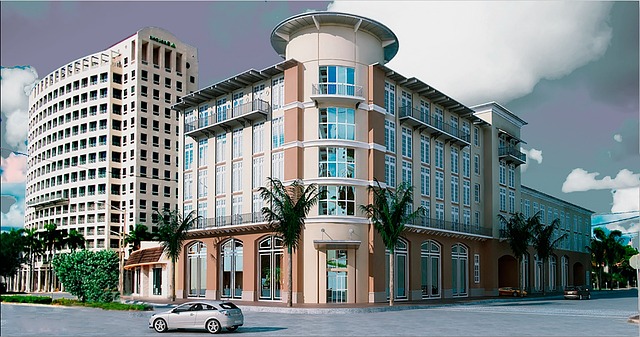
Market dynamics play a pivotal role in shaping real estate landscapes, significantly influencing vacancy rates across various sectors. The intricate interplay of supply and demand, coupled with socio-economic factors, creates a fluid environment that can both prosper and pose challenges for investors and developers alike. Understanding these dynamics is crucial for navigating the complexities of the real estate market. For instance, a surge in population growth can drive up housing demand, potentially leading to tighter markets and reduced vacancy rates. Conversely, an economic downturn may result in decreased demand, causing vacancies to rise as tenants face financial constraints.
Real estate naturally reflects these trends, with property values and rental rates fluctuating in response. Cities experiencing rapid urbanization often witness a premium on residential and commercial properties due to the high demand for urban living. In contrast, rural areas might grapple with different challenges, such as declining populations leading to excess supply and elevated vacancy rates. Market insights suggest that understanding demographic shifts is essential; areas attracting millennials, for example, may exhibit lower vacancy rates due to higher occupancy preferences among this generation.
To mitigate the impact of market volatility, real estate professionals should adopt strategic approaches. Conducting thorough market analyses, staying abreast of economic indicators, and adapting portfolio strategies accordingly are key practices. Diversifying investments across different property types, locations, and tenancies can help stabilize returns during uncertain periods. Additionally, fostering strong relationships with tenants and offering tailored solutions can enhance occupancy rates, ensuring a more consistent revenue stream despite market fluctuations.
Vacancies: Factors Driving Vacancy Rates

Vacancy rates within real estate markets are significantly shaped by a multitude of factors, reflecting complex interplay between supply and demand dynamics. Key drivers include demographic shifts, economic conditions, and housing affordability. For instance, regions experiencing population decline often face higher vacancy rates due to reduced demand for housing, while areas with robust job growth tend to see tighter markets as an influx of workers seeks accommodations. Economic downturns can significantly impact vacancy levels, as individuals and families may face financial constraints leading them to move or reduce household size.
Housing affordability plays a pivotal role in vacancy trends. When real estate prices outpace income growth, many residents become price-sensitive, potentially contributing to increased vacancies as they seek more affordable alternatives. Conversely, affordable housing initiatives can mitigate these effects by providing options for low- and moderate-income earners, stabilizing local markets. Urban centers, with their dense populations and high costs of living, often exhibit lower vacancy rates compared to suburban or rural areas, reflecting the allure of convenience and amenities despite higher prices.
Real estate professionals must closely monitor these factors to anticipate vacancy fluctuations and adapt strategies accordingly. Analyzing demographic trends, understanding economic indicators, and staying informed on housing policy changes empower agents, developers, and investors to make informed decisions. Proactive management, such as offering flexible lease terms or implementing creative marketing strategies, can help mitigate vacancies, ensuring a robust and responsive real estate market that meets the evolving needs of its residents.
Strategies to Mitigate Market Influenced Vacancies

Market forces play a significant role in shaping real estate vacancy rates, with various economic indicators impacting property availability. To mitigate the effects of these market influences, a strategic approach is essential for real estate professionals. One effective strategy involves adapting to shifting demand patterns. For instance, during economic downturns, investors might prioritize rental properties over purchases, leading to increased vacancies. Real Estate agents can assist landlords in repositioning their listings, targeting specific demographics seeking long-term rentals. This could involve marketing strategies that emphasize the stability and benefits of rent-to-own agreements or tailored amenities for remote workers.
Data analysis is another powerful tool. Studying historical vacancy rates, rental prices, and demographic trends allows experts to predict market shifts. For example, a rising young professional population in a specific area might increase demand for modern, urban apartments, pushing vacancies lower. Real Estate analysts can then advise clients on whether to hold, sell, or invest in new developments based on these insights. Additionally, leveraging data-driven decisions ensures that properties are priced competitively, attracting tenants quickly and reducing vacancy periods.
Flexibility and innovation are key to navigating market-influenced vacancies. Real estate developers might consider mixed-use projects that combine residential, commercial, and retail spaces. This diversification reduces reliance on a single demographic or industry’s fluctuations. For instance, a building with both luxury apartments and coworking spaces caters to various tenants, ensuring stability. Moreover, implementing dynamic leasing models, such as short-term rentals for tourists during quieter seasons, can fill vacancies and maximize revenue. Such strategies require careful planning but offer robust solutions in today’s ever-changing market.