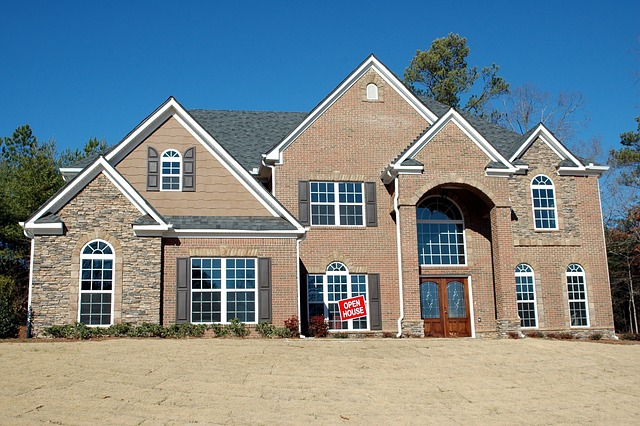
Complex lease structures in real estate, featuring specialized clauses like escalator rents and force majeure provisions, are crucial for managing risks and optimizing returns in dynamic markets. Landlords use these to protect investments, while tenants seek cost savings during downturns. Key areas include clear communication, force majeure protections, rent review mechanisms, and meticulous clause scrutiny to avoid disputes and foster partnerships. Best practices involve flexible renegotiation, transparency, and performance reviews.
In the dynamic landscape of real estate, complex leases with specialized clauses have emerged as a critical aspect shaping the industry. As transactions grow increasingly intricate, understanding these provisions is paramount for both landlords and tenants. The challenge lies in navigating the legal labyrinth these clauses create, often leading to misunderstandings and disputes. This article aims to demystify this realm, providing an authoritative guide to deciphering and negotiating specialized lease terms. By the end, readers will possess the knowledge to make informed decisions, ensuring smooth transactions and robust relationships in the ever-evolving real estate market.
Understanding Complex Lease Structures in Real Estate

In real estate, complex lease structures with specialized clauses have become increasingly prevalent, reflecting the evolving dynamics of commercial and residential markets. These intricate arrangements often involve unique terms designed to cater to specific needs of both landlords and tenants, such as flexible rent adjustments tied to economic indices or comprehensive provisions for property maintenance and upgrades. Understanding these structures is vital for stakeholders to mitigate risks, optimize returns, and ensure a mutually beneficial agreement.
A key aspect to grasp is the interplay between various clauses. For instance, a lease might include a provision that allows for automatic renewals based on satisfactory performance, coupled with escalator clauses that adjust rent according to inflation rates or market trends. Landlords in urban centers, where real estate values fluctuate significantly, often employ such strategies to safeguard their investments. Conversely, tenants may seek clauses that offer cost savings during economic downturns, ensuring business continuity without undue financial strain.
Practical insights suggest that meticulous review and customization of lease agreements are imperative. Real estate professionals should scrutinize every clause, seeking clarification on ambiguous terms and negotiating changes as necessary. For instance, a tenant could propose a clause that incentivizes energy-efficient retrofits, benefiting both parties through reduced operational costs. Moreover, regular communication between landlords and tenants is essential to address unforeseen circumstances, ensuring adjustments to lease structures remain fair and reasonable throughout the tenure.
Decoding Specialized Clauses: A Comprehensive Guide

Decoding specialized clauses within complex leases is a critical skill for both real estate professionals and business owners. These clauses often represent unique provisions tailored to specific agreements, ranging from tenant protections to innovative financing models. Understanding their nuances is essential to mitigating risks, ensuring compliance, and unlocking opportunities in dynamic real estate markets.
For instance, consider the “force majeure” clause, commonly included in commercial leases. This provision offers protection against unforeseen events like natural disasters or pandemics that might disrupt tenant operations. While seemingly simple, force majeure clauses can vary widely in scope and definition, impacting how a lease performs during crises. A well-drafted clause specifies acceptable events, provides clear triggers, and outlines modified performance expectations, enabling tenants to navigate challenging circumstances with reduced legal ambiguity.
Another specialized area involves rent review and adjustment mechanisms. Some leases incorporate provisions allowing landlords to adjust rental rates based on market conditions or specific tenant performance metrics. These clauses require careful consideration of fair market value, historical occupancy rates, and industry benchmarks. Real estate experts suggest conducting thorough market analyses and maintaining open communication with tenants throughout the process to avoid disputes. Regular rent reviews, when conducted transparently, can foster long-term partnerships and ensure both parties benefit from a healthy real estate ecosystem.
Navigating Risks: Best Practices for Real Estate Leases

Complex leases with specialized clauses, particularly those involving real estate, pose significant risks for both landlords and tenants. These risks can range from financial exposure to legal disputes, especially when navigating intricate terms and conditions. For instance, a clause related to force majeure events may not adequately address unforeseen circumstances like prolonged market closures, impacting rent collection and lease termination rights. Moreover, hidden within these contracts are often subtle provisions affecting liability, maintenance obligations, and right of entry, which, if misinterpreted, can lead to costly misunderstandings.
Best practices for mitigating these risks involve thorough due diligence and expert legal consultation prior to signing. Landlords and tenants should scrutinize each clause, seeking clarification on ambiguous terms and ensuring they align with local laws and industry standards. For example, a detailed maintenance agreement specifying responsibilities, response times, and cost-sharing mechanisms can prevent disputes over post-occupancy repairs. Additionally, incorporating flexible renegotiation options within the lease allows both parties to adapt to changing market conditions, such as adjusting rent based on economic fluctuations or unexpected real estate developments.
Regular communication and transparency between parties are vital. Establishing clear lines of correspondence facilitates the early resolution of issues, reducing potential legal entanglements. Regular site visits and periodic performance reviews can also help identify problem areas before they escalate. For instance, proactive monitoring of property conditions enables timely addressing of maintenance needs, averting costly repairs or tenant dissatisfaction. Ultimately, a well-drafted, mutually agreed-upon lease with clear risk allocation and flexible terms ensures a smoother relationship between landlord and tenant in the dynamic real estate landscape.