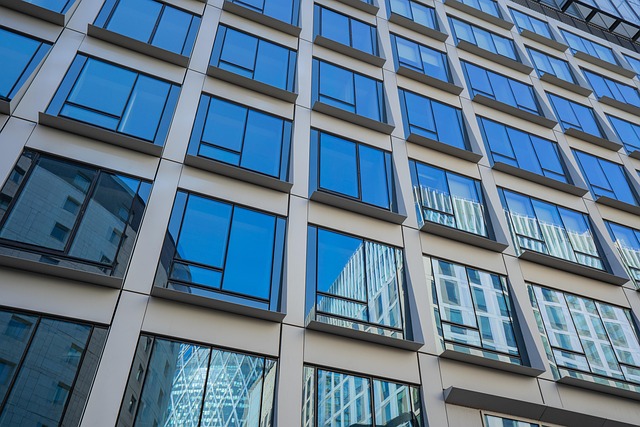
Real estate success relies on strategic design and planning. Open-plan offices foster collaboration but lack privacy, while private offices offer more seclusion. Real estate professionals guide clients based on industry needs, culture, and budget. Developers adapt to consumer trends, integrating technology for enhanced experiences. Industrial buildings, with size variety, specific layouts, and environmental focus, are key market players, strategically located near transport networks.
In today’s dynamic market, understanding diverse real estate types is crucial. This article delves into the unique characteristics of office, retail, and industrial buildings—essential knowledge for investors and developers alike. We explore strategic layouts and design principles tailored to each sector, from maximizing productivity in offices to optimizing customer experiences in retail spaces. Additionally, we dissect critical features defining industrial properties, offering insights for informed decision-making in the ever-evolving real estate landscape.
Understanding Office Spaces: Layouts and Design
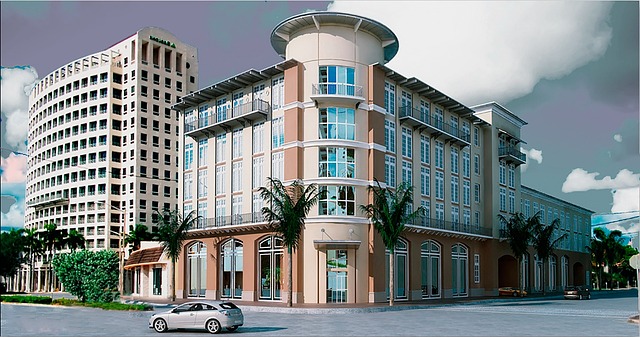
Office spaces are more than just four walls and a desk; they’re designed to foster productivity, collaboration, and overall employee satisfaction. In real estate terms, understanding the layout and design of an office building is key to making informed decisions. The open-plan concept, for instance, has gained popularity in recent years, offering a flexible and modern environment. This design choice allows employees to collaborate easily, promotes a sense of community, and can enhance creativity.
However, not all offices embrace the open-plan trend. Traditional layouts with private offices and cubicles still have their merits, providing employees with more privacy and a sense of ownership over their workspace. The choice between these styles often depends on the industry, company culture, and budget. Real estate professionals play a crucial role in guiding clients towards spaces that align with their specific needs, be it a vibrant startup or a well-established enterprise.
Retail Real Estate: Strategies for Peak Performance
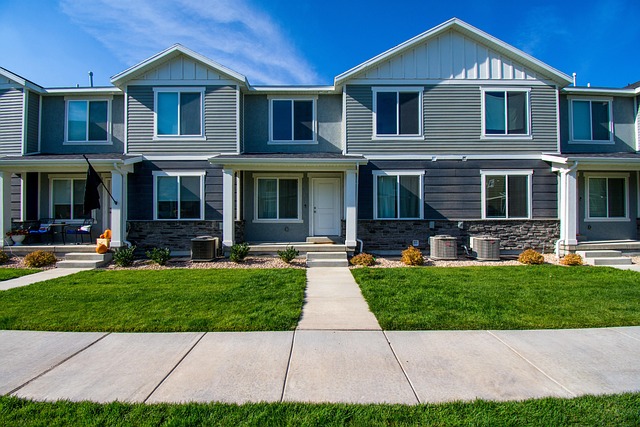
In the competitive landscape of retail real estate, maximizing performance requires a strategic approach. Developers and investors must stay abreast of evolving consumer trends and preferences to ensure their properties remain desirable. This involves understanding demographic shifts, adapting to changes in shopping habits, and incorporating innovative design elements that cater to modern customers’ needs.
Effective strategies include creating diverse, mixed-use developments that blend retail, residential, and commercial spaces, fostering a vibrant atmosphere. Additionally, leveraging technology to enhance the customer experience—from online ordering and seamless checkout to interactive in-store displays—is crucial for attracting and retaining tenants. By embracing these tactics, real estate professionals can drive peak performance and ensure their retail assets remain competitive in an ever-changing market.
Industrial Buildings: Key Features and Considerations

Industrial buildings play a vital role in today’s real estate landscape, catering to diverse sectors from manufacturing to logistics. When considering these properties, several key features and factors come into play. Firstly, size is paramount; industrial spaces range from vast warehouses to smaller units, each suiting different business needs. Layouts should accommodate specific activities, whether it’s heavy machinery operation or efficient storage and distribution.
Structural integrity and durability are essential for any industrial building. The real estate market demands robust materials and designs that can withstand the rigors of various industries. Additionally, accessibility and location are critical; proximity to transportation networks, highways, or rail lines facilitates supply chain operations, ensuring smooth movement of goods. Environmental considerations also come into play, with green initiatives influencing design choices in terms of energy efficiency and sustainable practices.