Commercial real estate investors and tenants benefit from understanding diverse space types: offices, retail, and industrial. Location, transportation access, and market demands guide decisions. Trends include flexible workspaces and sustainability with green buildings to cater to shifting business needs and environmental consciousness in the dynamic real estate landscape.
In today’s dynamic market, understanding commercial spaces is key to successful real estate investments. This article explores the intricacies of office, retail, and industrial buildings—three cornerstones of the real estate landscape. We’ll delve into the unique characteristics, drivers, and trends shaping each sector, providing insights for savvy investors. From location and design to technology and sustainability, discover the factors influencing preferences and the future directions of commercial real estate.
Understanding Different Types of Commercial Spaces
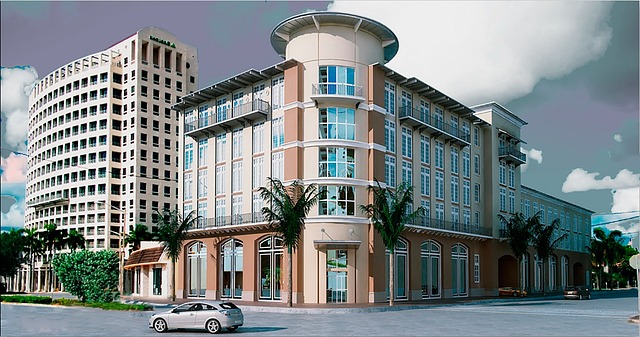
In the realm of commercial real estate, understanding different types of spaces is key for investors and tenants alike. Office buildings cater to businesses seeking professional environments, while retail spaces are designed to draw in crowds, making them ideal for storefronts and shopping centers. Industrial buildings, on the other hand, are optimized for manufacturing, logistics, and warehousing needs, featuring ample floor space and loading docks.
Each type offers unique advantages and caters to distinct business requirements. Investors should consider factors like location, proximity to transportation hubs, and local market demands when deciding between office, retail, or industrial properties. This nuanced understanding of commercial spaces empowers informed decisions in a dynamic real estate landscape.
Factors Influencing Office, Retail, and Industrial Building Choices

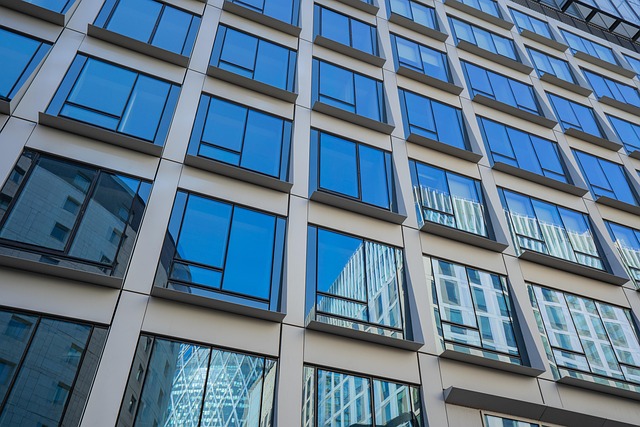
When considering office, retail, or industrial buildings, several factors come into play, shaping real estate decisions. Location is a primary influencer; proximity to urban centers, transportation hubs, and demographic concentrations can significantly impact tenant appeal and property values. For instance, high-rise offices in bustling downtown areas often cater to tech startups and established corporations seeking visibility and access to talent pools.
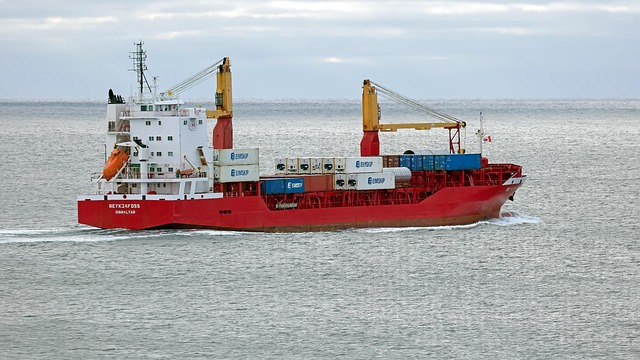
Another critical aspect is building functionality and design. Office spaces may prioritize open floor plans, natural lighting, and modern amenities for productivity and employee satisfaction. Retail properties, on the other hand, focus on high-traffic locations, visible storefronts, and versatile layouts to accommodate various businesses. Industrial buildings are designed for efficiency, featuring ample space for manufacturing processes, loading docks, and storage, catering to e-commerce fulfillment centers or production facilities.
The Future of Commercial Real Estate Trends

The future of commercial real estate is being shaped by evolving trends that cater to changing business needs and lifestyle preferences. One prominent trend is the rise of flexible workspaces, offering lease terms ranging from days to months, ideal for startups and remote workers. This shift challenges traditional long-term leases, allowing businesses more adaptability in an uncertain market.
Additionally, sustainability is becoming a key differentiator in real estate. Green buildings with energy-efficient designs, renewable energy sources, and sustainable materials are gaining popularity as tenants and investors increasingly prioritize environmental responsibility. As a result, developers are incorporating eco-friendly practices into their projects to meet this growing demand for environmentally conscious spaces.