Economic trends and demographic shifts dramatically affect real estate vacancy rates. Landlords and investors must adapt strategies during economic booms and recessions, leveraging insights into population growth, age distribution, and local market dynamics to anticipate demand, adjust rental rates, and stabilize the market through informed investment decisions.
In the dynamic realm of real estate, market factors play a pivotal role in shaping vacancy rates. This article delves into three critical aspects: economic fluctuations as a key driver behind vacancy trends, demographic shifts influencing tenant demand, and the competitive landscape of local market dynamics. Understanding these elements is essential for navigating the ever-changing real estate landscape and optimizing investment strategies.
Economic Fluctuations: A Key Player in Vacancy Rates
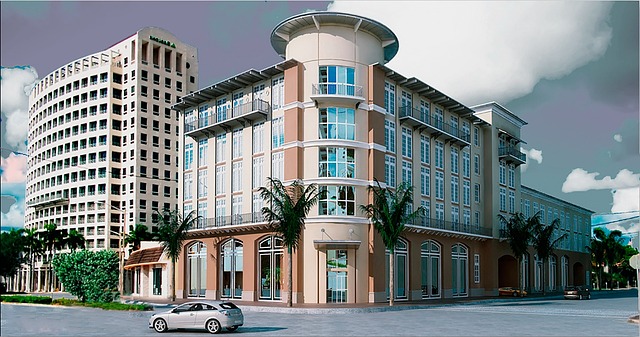
Economic fluctuations play a pivotal role in shaping vacancy rates within the real estate market. During economic booms, strong job growth and rising incomes often lead to increased demand for housing, resulting in lower vacancy levels as properties quickly become occupied. Conversely, recessions can significantly impact vacancy rates; higher unemployment rates cause many residents to relocate or face financial difficulties, leading to an abundance of vacant units.
These shifts in economic conditions create a ripple effect across the real estate sector. Landlords and property managers must adapt their strategies accordingly, adjusting rental rates and offering incentives to attract tenants during periods of high vacancy. Understanding and anticipating these economic fluctuations are essential for professionals in the industry to navigate market dynamics effectively and ensure sustainable investment decisions.
Demographic Shifts: Understanding Tenant Demand

Demographic shifts play a pivotal role in shaping the real estate market, particularly when it comes to vacancies. Changing population trends can significantly influence tenant demand and, consequently, rental availability. For instance, areas experiencing an influx of young professionals or families may see a surge in housing requirements, leading to reduced vacancy rates. On the other hand, regions facing depopulation or aging populations might struggle with higher vacancy levels as fewer individuals seek accommodation.
Understanding these demographic movements allows real estate investors and property managers to anticipate market trends. By analyzing population growth, age distribution, and migration patterns, they can make informed decisions regarding property development, pricing strategies, and tenant attraction. This proactive approach ensures that the real estate sector remains responsive to shifting demands, ultimately stabilizing vacancy rates in a dynamic market.
Competitive Landscape: Local Market Dynamics Impact
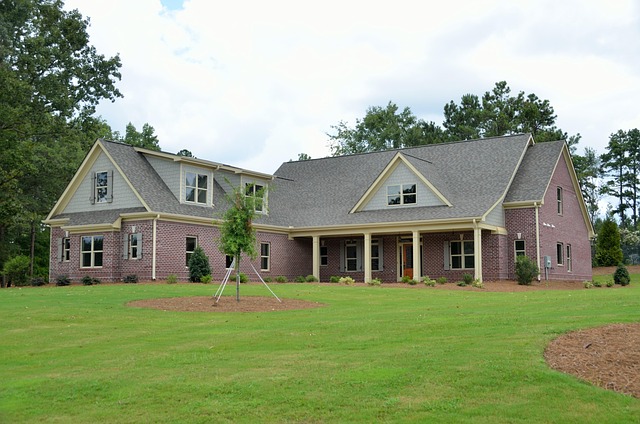
In the competitive landscape of real estate, local market dynamics play a pivotal role in shaping vacancy rates. The presence or absence of new developments, for instance, can significantly shift the balance between supply and demand. If a region experiences a boom in high-end residential projects, it might attract younger professionals seeking urban amenities, leading to lower vacancy rates. Conversely, areas with an abundance of older properties might struggle to fill units due to higher maintenance costs and less desirable features.
Market trends also dictate rental prices and tenant preferences. Areas with thriving economies often see increased demand for real estate, pushing rents higher. This can either fill vacancies quickly or make properties more appealing to investors looking for lucrative opportunities. Conversely, economic downturns can lead to reduced rental rates, making units more attractive to budget-conscious tenants but potentially increasing vacancy levels as landlords may be willing to consider longer-term vacancies for lower rent.