
The real estate sector is rapidly evolving due to changing work patterns and technology. Urban areas see a shift towards flexible, collaborative offices replacing traditional open plans. Retail properties are transforming with experiential concepts blending shopping, dining, and entertainment. Investment demands strategic adaptability, understanding local demographics and market dynamics to navigate this dynamic landscape.
In today’s dynamic real estate landscape, understanding diverse property types is crucial. This article explores three critical sectors: office, retail, and industrial spaces. We delve into the unique dynamics of each market, providing insights on trends and strategies for investors and tenants. From understanding office space evolution to uncovering retail investment opportunities and navigating industrial real estate considerations, this guide offers valuable knowledge for those seeking to thrive in these essential property segments.
Understanding Office Space Dynamics in Real Estate
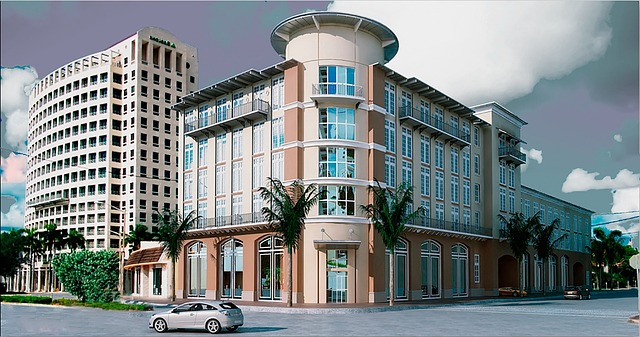
The dynamics of office space within the real estate sector are ever-evolving, shaped by shifting work patterns and technological advancements. In today’s digital age, companies are reevaluating their traditional space requirements, leading to a demand for flexible and collaborative environments. This shift is particularly noticeable in urban areas, where the competition for prime commercial real estate is intense.
Real estate professionals must stay attuned to these trends, offering adaptable office solutions that cater to diverse business needs. The concept of open-plan layouts, once popular, is now giving way to more customized and private spaces, designed to enhance productivity and employee satisfaction. This evolution requires a nuanced understanding of market demands and a willingness to adapt, ensuring that both tenants and landlords benefit from dynamic and efficient office space utilisation.
Retail Properties: Trends and Investment Strategies
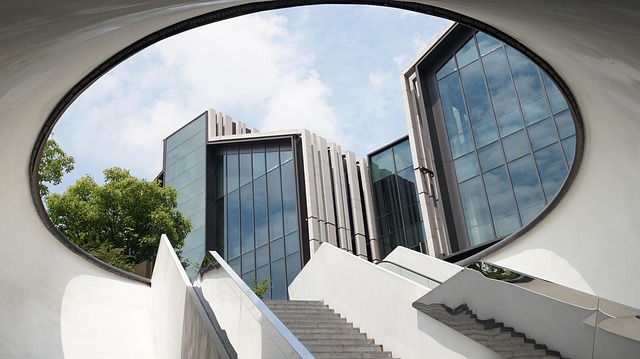
Retail properties have been undergoing a transformation in recent years, driven by evolving consumer behaviors and technology. The rise of e-commerce has led to a rethinking of traditional retail spaces, with developers and investors looking to create more experiential and mixed-use concepts. Modern retail real estate strategies focus on creating vibrant, engaging environments that blend shopping, dining, and entertainment options, fostering a sense of community and driving foot traffic.
Investment opportunities in retail properties remain strong, but they require careful consideration. Investors are increasingly seeking out sustainable, adaptable spaces that can accommodate changing retail trends. This includes properties with ample outdoor spaces for pop-up shops, delivery hubs, or experiential marketing events. A keen understanding of local demographics, consumer preferences, and market dynamics is crucial to identifying successful investment strategies in the ever-changing landscape of real estate.
Industrial Real Estate: Key Considerations for Tenants

Industrial real estate is a significant sector within the broader property market, catering to businesses requiring substantial space for manufacturing, warehousing, or distribution operations. When considering industrial properties as a tenant, several key factors come into play. Location is paramount; proximity to transportation hubs and major highways can significantly impact logistics costs and efficiency. Infrastructure, including loading docks, parking, and utilities, must align with the prospective business’s needs.
Additionally, tenants should assess the quality and age of the building’s construction, especially regarding structural integrity and energy efficiency. Lease terms are another critical aspect; long-term leases offer stability but may involve higher upfront costs, while shorter terms provide flexibility but could lead to increased rent fluctuations over time. The surrounding area’s zoning regulations and potential for future development must also be considered to ensure compliance and avoid unexpected disruptions.