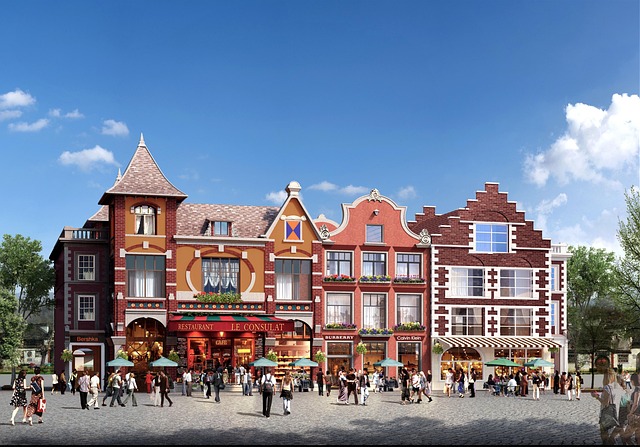
Assessing commercial real estate (RE) requires a holistic approach. Key factors include location, market dynamics, tenant health, and property condition. Expert advice emphasizes thorough due diligence, staying updated on market changes, and tracking demographic trends. Combining qualitative and quantitative analyses helps investors navigate the complex RE landscape. Sustainable design and construction strategies, such as biophilic design and smart building technologies, improve employee satisfaction and operational efficiency. Long-term asset management focuses on environmental, social, and economic sustainability, aligning short-term needs with long-term goals to create valuable, resilient assets.
In today’s dynamic market, understanding the optimal utilization of real estate remains paramount for investors and developers alike. Whether it’s office spaces that foster collaboration or retail hubs that drive consumer engagement, or industrial facilities that facilitate supply chains—each sector presents unique challenges and opportunities. However, many assets struggle to keep pace with evolving demands, leading to underutilized spaces and inefficiencies. This article delves into innovative strategies for maximizing these properties, exploring proven solutions that not only enhance productivity but also contribute to the sustainability and economic vitality of our communities. By examining best practices in real estate management and design, we aim to equip professionals with the tools needed to transform underperforming buildings into vibrant centers of activity.
Assessing Commercial Real Estate: A Foundation for Success
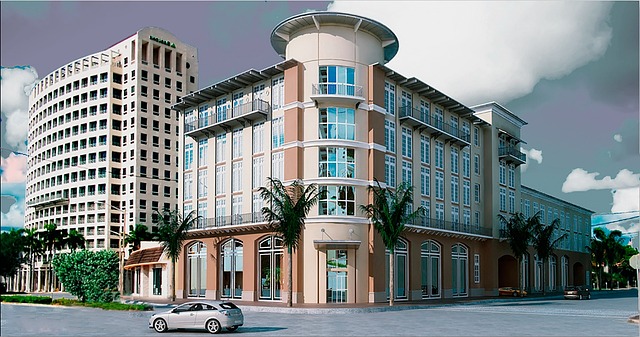
Assessing commercial real estate is a cornerstone for investors and developers seeking successful ventures. When evaluating office, retail, or industrial buildings, a comprehensive analysis goes beyond surface numbers. Key factors such as location, market dynamics, tenant health, and property condition are fundamental to understanding the true value and potential of a property. For instance, an industrial space in a region with robust logistics networks might present higher occupancy rates but lower rental values compared to a prime office space in a thriving tech hub.
Expert insights suggest delving into demographic trends, local regulations, and infrastructure development to gain a nuanced understanding. Data on population growth, employment rates, and commute patterns can reveal hidden opportunities or challenges. Consider a retail property in an area experiencing young professional migration; this could indicate strong potential for specialty retailers catering to this demographic. Conversely, ignoring demographic shifts may lead to underutilized spaces.
Actionable advice includes conducting thorough due diligence, engaging industry experts, and staying abreast of market changes. Regularly reviewing comparable sales and lease data ensures informed decision-making. For instance, tracking real estate trends in a specific city can signal emerging hot spots or areas in need of revitalisation. By combining qualitative and quantitative analyses, investors can navigate the complex landscape of commercial real estate, fostering successful investments that contribute to urban landscapes for years to come.
Design and Construction: Crafting Efficient Workspaces

The design and construction of efficient workspaces within office, retail, or industrial buildings are pivotal aspects of modern real estate development. Architects and contractors face the challenge of creating environments that not only cater to current operational needs but also anticipate future changes in work dynamics. A well-designed workspace enhances productivity, fosters collaboration, and reduces turnover rates, making it a strategic investment for any business.
One key consideration is adaptability. Flexible layouts that accommodate changing team structures and technology are increasingly important. Modular furniture systems and reconfigurable spaces allow for easy rearrangement, enabling companies to quickly adapt to shifting demands. For instance, open-plan offices can be transformed into private collaboration zones or vice versa, catering to both team interactions and focused work. This adaptability is particularly crucial in industries where remote work policies are becoming the norm, necessitating flexible real estate solutions.
Additionally, incorporating natural elements and promoting biophilic design principles can significantly enhance workspace efficiency. Studies show that access to natural light and greenery improves employee well-being and cognitive performance. Integrating plants, using sustainable materials, and maximizing natural lighting not only creates a healthier environment but also contributes to the overall aesthetics and appeal of the space. Such designs foster a sense of connection with nature, leading to higher job satisfaction and reduced stress levels among employees. For example, a retail store incorporating vast windows and indoor gardens can create an immersive shopping experience while providing staff with a pleasant working atmosphere.
Effective design also involves optimizing circulation and wayfinding within the building. Streamlined movement between workspaces, meeting rooms, and common areas improves efficiency and reduces time wastage. Incorporating clear signage, well-designed corridors, and strategic placement of amenities ensures that occupants can navigate the space intuitively. This is particularly relevant in large industrial complexes or high-rise office buildings where a well-planned layout can significantly impact operational productivity.
Managing and Optimizing: Long-Term Strategies for Sustainability

Managing and optimizing real estate assets for long-term sustainability is a critical aspect of successful property investment and operation. This involves a comprehensive strategy that goes beyond immediate cost savings, focusing on environmental, social, and economic factors to ensure resilience and value creation over time. In the context of office, retail, or industrial buildings, sustainable practices can range from energy-efficient design and renewable energy adoption to waste management and water conservation.
For instance, integrating smart building technologies in commercial spaces can significantly enhance efficiency. According to a recent study, smart buildings reduce energy consumption by an average of 20-30%, with some facilities achieving even higher savings. This can be achieved through automated lighting systems, occupancy sensors, and advanced heating/cooling controls. Moreover, implementing green roofing and vertical gardening not only improves indoor air quality but also reduces the urban heat island effect, lowering operational costs and enhancing building aesthetics.
Long-term sustainability in real estate also involves proactive tenant engagement and community interaction. Encouraging sustainable practices among occupants through educational programs and incentives can lead to substantial environmental benefits. For industrial properties, this might include promoting efficient logistics and packaging solutions, while retail spaces can adopt measures like incentivizing public transportation use or implementing on-site recycling programs. Data suggests that building operators who engage tenants in sustainability initiatives often see increased tenant retention rates and better overall facility performance.
Regular maintenance and asset management play a pivotal role in sustaining the integrity and efficiency of these structures. Regular inspections, preventative care, and efficient replacement scheduling ensure that buildings operate at optimal levels, reducing costly emergency repairs. As the real estate sector evolves, embracing digital tools for predictive analytics and remote monitoring can further optimize operations, allowing property managers to anticipate issues before they escalate. By aligning short-term operational needs with long-term sustainability goals, real estate professionals can create valuable, resilient assets that contribute positively to both the environment and the bottom line.