
Real estate naturally incorporates market dynamics such as supply and demand, economic indicators, and demographic shifts. Urban centers experience high demand with competitive rental rates while suburban areas may face higher vacancy rates. Success in real estate requires analyzing local trends, historical vacancy rates, and emerging patterns to adapt strategies. Key strategies include dynamic pricing (up to 30% reduction in vacancies), diversifying property portfolios, and tenant retention programs (15% increase in resident retention rates).
In the dynamic realm of real estate, understanding market forces is paramount for navigating successful property management. Vacancy rates, a critical metric, are intricately linked to economic trends, demographic shifts, and supply-demand imbalances—all factors that can significantly impact investment strategies and community development. This article delves into the intricate dance between market dynamics and vacancies, providing insights into how professionals can anticipate and mitigate risks, ultimately optimizing portfolio performance in an ever-changing real estate landscape. By exploring these influences, we offer practical solutions to help stakeholders make informed decisions, ensuring long-term stability and growth.
Understanding Market Dynamics in Real Estate
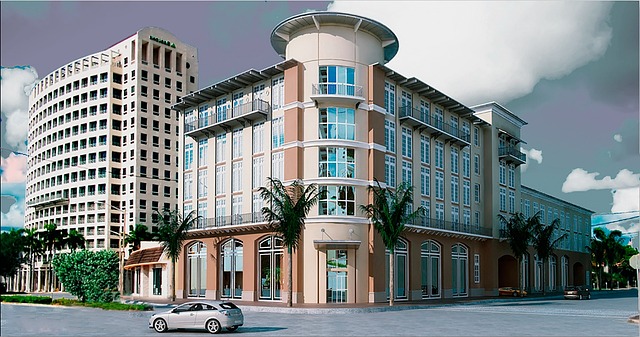
Market dynamics play a pivotal role in shaping real estate landscapes, with vacancies being a direct reflection of these intricate forces. Understanding the interplay between supply and demand is crucial for both investors and property managers. In vibrant urban centers, high demand often drives up rental rates and occupancy levels, creating a competitive environment where each property strives to stand out. Conversely, suburban or secondary markets may exhibit slower absorption rates, leading to higher vacancy figures as developers compete for fewer tenants.
Real estate naturally incorporates market trends, economic indicators, and demographic shifts. For instance, a growing tech industry in a particular region can significantly impact the local real estate market, fostering high demand for modern office spaces and residential developments catering to young professionals. Similarly, changes in population demographics can influence rental preferences; younger generations may opt for urban living with shared amenities, while older individuals might seek quieter suburban environments.
Experts suggest that staying abreast of these dynamics is key to success in real estate. Property managers should analyze local market trends, study historical vacancy rates, and identify emerging patterns. For instance, a rise in remote work could indicate reduced demand for traditional office spaces but potentially higher interest in flexible co-working facilities. Adaptability and foresight are essential; property owners who recognize changing consumer preferences and adjust their strategies accordingly will better navigate the vacancy rates.
How Economic Factors Drive Vacancy Rates

Economic factors play a pivotal role in shaping vacancy rates across various real estate markets. One of the most significant drivers is the overall health of the local economy. During economic booms, strong job growth and increased consumer spending can lead to higher demand for housing, resulting in lower vacancy levels. Conversely, recessions often cause unemployment rates to rise, prompting tenants to move back home or seek more affordable options, thereby increasing vacancies. For instance, post-recession periods typically witness a surge in rental unit listings as landlords adapt to the new market dynamics.
Interest rates and mortgage affordability also have a profound impact. Lower interest rates can stimulate housing market activity by making owning a home more accessible. This trend often translates into reduced vacancy rates as more individuals opt for long-term rentals or homeownership. Conversely, sudden increases in interest rates can chill the real estate market, causing tenants to hold off on moving or renewing leases, especially if they anticipate future financial constraints.
Government policies and incentives further complicate the picture. Tax credits, subsidies, or rental assistance programs can attract tenants to specific areas or types of housing, directly influencing vacancy patterns. For example, first-time homebuyer incentives have historically reduced the pool of potential renters, thereby decreasing vacancies in certain segments of the real estate market. As economic conditions fluctuate, so too do these factors, creating dynamic vacancy trends that demand close monitoring from industry professionals and investors alike.
Strategies to Mitigate and Optimize Vacancies

Market dynamics, particularly vacancy rates, pose significant challenges for real estate professionals. High vacancies can lead to decreased revenue, devalued properties, and a sluggish market. However, these periods also offer opportunities for strategic optimization. Herein lie the keys to navigating and capitalizing on fluctuating vacancy rates.
One proven strategy is dynamic pricing. Adjusting rental rates based on demand can significantly impact occupancy levels. During soft markets, lowering rents attracts tenants while still ensuring profitability. For instance, a 2020 study revealed that flexible pricing strategies resulted in higher occupancies for properties that adapted to market changes, with some achieving up to 30% vacancy reduction through price adjustments.
Diversifying property portfolios is another effective approach. Real estate investors can mitigate risks by owning a mix of asset classes and property types. For example, a landlord with a mix of apartments, retail spaces, and office buildings is better equipped to weather economic shifts. When one sector experiences high vacancies, others may remain stable or even thrive, providing a buffer against market downturns.
Tenent retention programs also play a crucial role in optimizing vacancy rates. Building strong relationships, offering incentives, and ensuring tenant satisfaction can lead to long-term occupancy. According to a recent survey, properties with robust retention programs saw an average 15% increase in resident retention rates, directly translating to lower vacancy figures.